

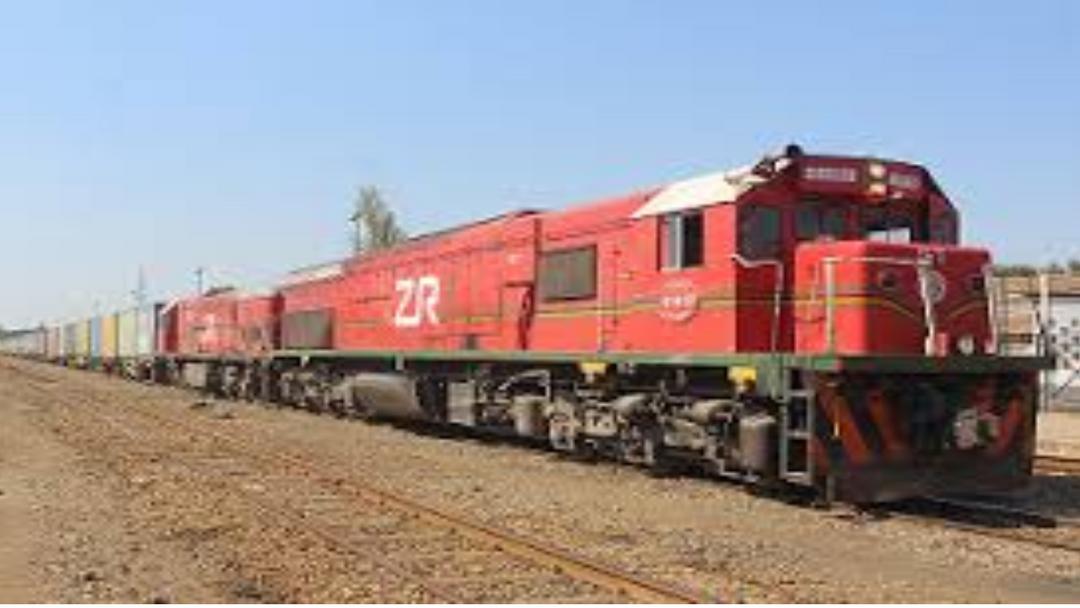
Zambia railway modernisation is accelerating after the government released K100 million to revitalise Zambia Railways Limited and upgrade core rail infrastructure. The move shifts policy from maintenance to growth.
The funding targets rolling stock, track rehabilitation, and modern signalling and telecommunications on priority freight and passenger corridors to lift capacity, safety and on-time performance.
Domestic investment is complemented by more than €50 million from the European Union Railway Sector Support Programme Zambia, aligned with the Eighth National Development Plan and the 2026 National Budget.
Zambia Railway Modernisation: What You Need to Know
- K100 million backs ZRL upgrades to rolling stock, track and signalling, alongside €50m EU support to boost freight throughput, safety and regional trade.
Recommended tools for secure, modern rail operations
- Bitdefender – Endpoint protection to harden operational and corporate devices.
- Tenable Vulnerability Management – Prioritise and remediate critical infrastructure risks.
- Auvik – Network monitoring to keep signalling and telecoms visible and reliable.
- IDrive – Secure backups for rail operations and enterprise data.
- 1Password – Centralised identity and credential management for field and office teams.
- EasyDMARC – Protect email domains against spoofing across logistics communications.
- Tresorit – Encrypted file sharing for engineering and operational documents.
Zambia railway modernisation: funding and focus
The K100 million allocation is a concrete step to ease transport bottlenecks and lift rail competitiveness. Zambia railway modernisation prioritises efficient bulk cargo movement, reduced road wear and predictable logistics for exporters.
Aligned with the Eighth National Development Plan and the 2026 National Budget, Zambia railway modernisation targets economic transformation, job creation and export growth through an integrated, multimodal transport system.
How the funds will be used
The investment addresses reliability and safety constraints. Zambia railway modernisation will recapitalise locomotives and wagons, refurbish passenger coaches and rehabilitate life‑expired track on strategic sections of the main line.
Upgrades include modern signalling and telecommunications to improve capacity and safety margins.
The European Union Railway Sector Support Programme Zambia adds more than €50 million for track works and systems on priority corridors, reinforcing the Zambia Railways Limited recapitalisation.
National and regional economic impact
On the Copperbelt, Zambia railway modernisation is expected to lower rail transport costs for copper and other minerals to regional ports via the Lobito Corridor and routes to the Indian Ocean.
More predictable flows should support output, exports and foreign exchange earnings.
For agriculture, improved rail links will benefit sugar, maize, livestock and horticulture value chains by moving inputs and produce more efficiently and easing pressure on trunk roads.
Related progress in Zambia’s digital backbone, including the new data centre in Lusaka and 5G deployment trajectories, complements logistics upgrades.
Industrial hubs such as Ndola, Kitwe, Kabwe, Lusaka and Kafue stand to gain from better freight and passenger services, improving competitiveness in regional markets.
Livingstone should benefit from cross-border trade and tourism as Zambia railway modernisation progresses.
Regionally, the programme strengthens Zambia’s land‑linked position, supporting connections with Zimbabwe, Botswana, Namibia and South Africa and bolstering east–west trade via the Lobito route for minerals and manufactured goods.
Broader momentum in African digital infrastructure underpins these gains.
From survival to commercial viability
Years of ageing rolling stock, obsolete signalling and worn track constrained ZRL. Zambia railway modernisation seeks to shift the operator to commercial efficiency.
The Ministry of Transport and Logistics will oversee delivery, applying governance, commercial discipline and performance benchmarks.
The Zambia Railways Limited recapitalisation is expected to attract public–private partnerships where viable.
Revitalised stations and sidings could anchor logistics providers, warehousing, cold‑chain services and light manufacturing, catalysing jobs and enterprise along the line of rail.
Securing modern rail systems
Upgrading signalling and telecommunications enhances safety and throughput, and requires resilient cybersecurity.
As Zambia railway modernisation advances, sector lessons highlight the importance of strong network protections and zero‑trust principles, including analyses on 5G cybersecurity risks and opportunities and the role of zero-trust architecture for network security.
Implications for trade, jobs and operations
Zambia railway modernisation lowers the cost of doing business, expands market access and cuts congestion and emissions by shifting bulk cargo to rail.
The approach supports climate commitments while improving export competitiveness and planning certainty from the Copperbelt to Livingstone.
Delivery risks remain. Zambia railway modernisation must sustain execution discipline, maintenance and governance to meet targets.
Coordinating works with shippers and communities, operating to commercial and safety standards, and building skills at pace will determine long‑term viability.
Scale operations with secure, connected tooling
- Foxit PDF Editor – Streamline technical document workflows across rail projects.
- CloudTalk – Cloud telephony to coordinate field crews and control rooms.
- KrispCall – Modern business calling for multi‑site operations.
- Trainual – Standardise SOPs and training for safety‑critical teams.
- LearnWorlds – Build e‑learning for maintenance and compliance.
- Plesk – Manage web services supporting passenger and freight portals.
- Optery – Automate data removal to reduce privacy exposure.
Conclusion
Zambia railway modernisation, backed by K100 million in domestic funding and over €50 million in EU support, offers a practical blueprint to improve freight flows and passenger safety.
By executing the Zambia Railways Limited recapitalisation with governance and commercial discipline, Zambia can reduce logistics costs and lift export performance across mining, agriculture and industry.
With active oversight and selective PPPs, Zambia railway modernisation can reposition ZRL as a modern logistics backbone and strengthen Zambia’s status as a competitive, land‑linked hub in Southern and Central Africa.
Questions Worth Answering
How much public funding has been released?
- The government has released K100 million to Zambia Railways Limited for rehabilitation and growth-focused upgrades.
What does the Zambia Railways Limited recapitalisation cover?
- Locomotive and wagon renewal, passenger coach upgrades, track rehabilitation, and modern signalling and telecommunications.
How does EU backing support the plan?
- The European Union Railway Sector Support Programme Zambia provides over €50 million for priority track and systems upgrades.
Which sectors benefit most from the upgrades?
- Mining in the Copperbelt, agriculture across key districts, industrial hubs including Ndola and Lusaka, and tourism in Livingstone.
Who is responsible for delivery?
- The Ministry of Transport and Logistics will oversee implementation and performance benchmarks.
Will private investment feature?
- Yes. PPPs will be considered to accelerate services, infrastructure and station‑area logistics hubs.
What is the long‑term goal?
- To make Zambia railway modernisation deliver a commercially viable, efficient rail system that strengthens regional trade.
About Zambia Railways Limited
Zambia Railways Limited (ZRL) operates freight and passenger services on the national main line and branch routes. Its network links mining, industrial and agricultural regions.
ZRL connects domestic production to regional corridors and ports, underpinning Zambia’s land‑linked trade position in Southern Africa.
Through the Zambia Railways Limited recapitalisation, ZRL aims to restore reliability, enhance safety and deliver competitive services that support inclusive growth.
Explore more solutions for infrastructure modernisation
- Tenable Security Center – Unify visibility across OT and IT assets.
- Passpack – Team password management for operations and vendors.
- Foxit eSign – Secure, compliant e‑signatures for procurement and PPPs.
- Tresorit Business – Encrypted collaboration for engineering teams.
- CloudTalk Contact Centre – Scalable communications for customer services.
- Plesk on Cloud – Host mission‑critical portals with ease and control.
- Tresorit Send – Share large files securely with partners.
Power up transformation: Blackbox AI, MRPeasy and Bolt Business—efficiency, automation and smarter mobility.