

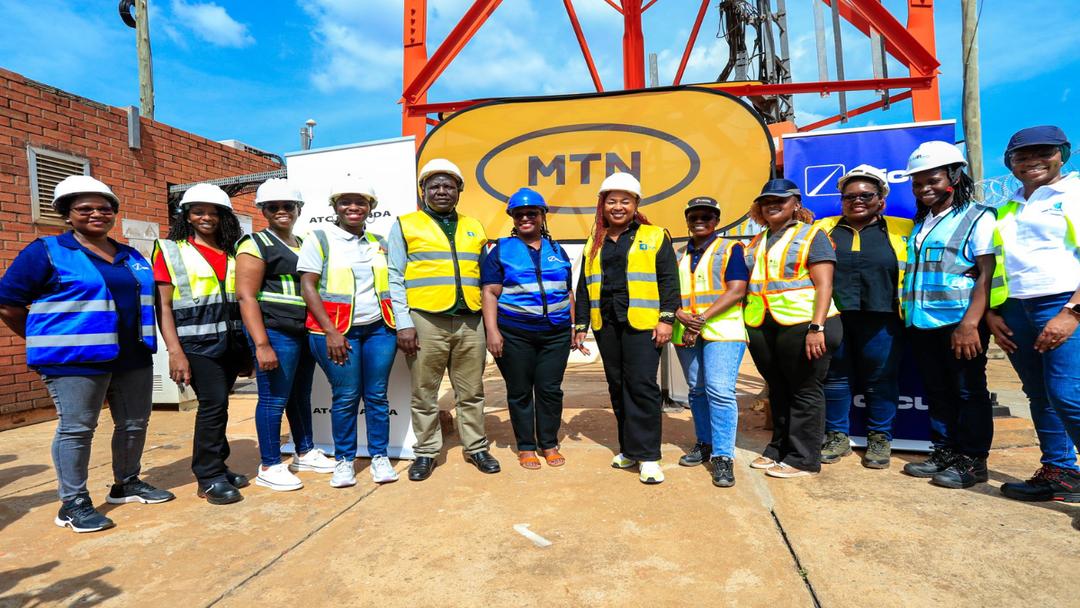
MTN women entrepreneurs Uganda has entered Phase 2 in Gulu, as MTN Uganda expands supplier development and commissions its largest Northern network site.
The MTNAWE programme in Uganda targets women-led SMEs with training, affordable finance, and procurement access. Early results include Shs 18 billion in contracts and Shs 1.6 billion in loans.
Partners include DFCU Bank, ATC, and The Innovation Village. The initiative aligns infrastructure growth with a more inclusive, digital supply chain across Northern Uganda.
MTN women entrepreneurs Uganda: What You Need to Know
- Phase 2 scales training, finance, and contracts for women-led firms and adds MTN’s largest Northern site to improve reach and delivery.
Recommended tools for secure, growth-ready SMEs
- Bitdefender, advanced endpoint protection for resilient supplier operations.
- 1Password, enterprise password management for distributed teams.
- IDrive, encrypted cloud backup to protect business data.
- EasyDMARC, stop email spoofing and improve domain trust.
- Tresorit, secure file storage and sharing for compliance.
- Tenable Nessus for vulnerability assessment across supplier networks.
- Optery, automate personal data removal for executives.
- Auvik, network monitoring that boosts uptime and visibility.
Phase 2 in Gulu, deeper support for women-led SMEs
The MTN women entrepreneurs Uganda initiative has advanced to Phase 2 in Gulu, pairing enterprise support with connectivity gains.
MTN commissioned its largest site in Northern Uganda to improve coverage and performance while celebrating the first cohort’s delivery milestones.
MTN launched the MTNAWE programme in Uganda to increase women’s participation in procurement and delivery.
By aligning training, financing, and real contract opportunities, the programme is developing a pipeline of women-led suppliers ready to compete nationally.
Results to date, contracts won, finance secured and skills gained
So far, 118 women-led businesses have completed the MTNAWE programme in Uganda. Collectively, they have won about Shs 18 billion in MTN contracts and accessed Shs 1.6 billion in subsidised loans through the DFCU Bank Women in Business programme.
Participants received structured training in procurement, technical execution, financial management, and ESG compliance.
These competencies are improving delivery readiness, call-up capacity, and performance standards across Uganda.
Training and capability building
The focus on skills within MTN women entrepreneurs in Uganda is deliberate. Better procurement literacy, stronger technical capacity, and sound financial governance help firms scale sustainably.
ESG training improves alignment with buyer requirements and national priorities.
Finance and access to markets
Through DFCU Bank, participating firms secured subsidised loans that complement contract pipelines from MTN.
This liquidity and demand pairing enables investment, hiring, and execution of larger, time-bound projects.
Strategic intent, investment not charity
MTN frames MTN women entrepreneurs in Uganda as a strategic investment in economic transformation. Successes include expansion, job creation, and delivery on significant projects.
The outcomes reinforce a commercial case for inclusion within complex supply chains.
Partnerships powering scale
Expansion of the MTNAWE programme in Uganda is supported by DFCU Bank, ATC, and The Innovation Village.
The goal is to decentralise opportunity so that women entrepreneurs from all regions access training, finance and networks to innovate and grow.
Infrastructure expansion, Northern Uganda’s largest MTN site
Commissioning the largest MTN site in Northern Uganda advances the twin track of MTN women entrepreneurs Uganda, stronger supply chains, and wider digital access. Better connectivity reduces friction, expands markets, and supports timely delivery by women-led suppliers.
Telecom growth also raises the need for digital resilience. Researchers continue to document telecom-focused cyber espionage and rising software supply chain attacks. As 5G scales, organisations are reviewing 5G cybersecurity risks and opportunities.
For regional context, see 5G in Africa insights and Africa’s digital infrastructure momentum, alongside the role of top telecom service providers in East Africa.
How the programme strengthens supply chains
The MTN women entrepreneurs Uganda initiative removes barriers that have limited participation.
By integrating women-led firms into procurement, the programme broadens vendor diversity, raises resilience, and reflects national development goals tied to women entrepreneurs’ supply chain Uganda priorities.
- Capability, training helps suppliers meet technical, financial and ESG benchmarks required by large buyers.
- Liquidity, subsidised loans complement contract pipelines, enabling investment and timely fulfilment.
- Market access, clearer procurement pathways create predictable demand for qualified suppliers.
Implications for Uganda’s digital economy
MTN women entrepreneurs Uganda is diversifying supply chains, encouraging regional participation, and equipping SMEs with practical, compliant skills.
With Shs 18 billion in contracts and Shs 1.6 billion in affordable finance secured, the model shows how private sector demand can catalyse inclusive growth while strengthening delivery quality.
Challenges remain. Scaling across regions requires coordinated partners and consistent standards.
Working capital needs will persist, as will the need for ongoing training to meet evolving procurement, ESG, and digital requirements. Reaching underserved areas will be central to long-term impact.
Build a modern, connected and compliant business stack
- Plesk, manage websites and apps at scale with ease.
- CloudTalk for cloud-based contact centres and sales diallers.
- KrispCall, business phone system for distributed teams.
- LearnWorlds to deliver scalable e learning for teams and partners.
- Trainual, automate onboarding and SOPs for rapid growth.
- Foxit PDF Editor, create and manage business documents securely.
- MRPeasy, lightweight ERP for manufacturing SMEs.
- Blackbox AI to speed up coding and documentation.
Conclusion
MTN women entrepreneurs Uganda is shifting from pilot to a national platform. Phase 2 in Gulu connects enterprise support with real market demand and stronger infrastructure.
The new Northern site signals intent to deepen digital participation and empower suppliers that can deliver at scale and to standard across Uganda.
Anchored by DFCU Bank, ATC, and The Innovation Village, the MTNAWE programme in Uganda shows how targeted training, finance, and contracts can unlock inclusive and sustainable growth.
Questions Worth Answering
What is the MTNAWE programme Uganda?
- It is MTN Uganda’s Advancing Women Entrepreneurs initiative, which grows women’s participation in supply chains through training, finance and contract opportunities.
How many businesses have benefited to date?
- So far, 118 women-led businesses have participated in the programme.
How much financing has been accessed?
- Participants have drawn about Shs 1.6 billion in subsidised loans via the DFCU Bank Women in Business programme.
What contracts have participants secured?
- Women-led firms have won approximately Shs 18 billion in MTN contracts.
What training does the programme provide?
- Training covers procurement processes, technical delivery, financial management and ESG compliance to improve competitiveness.
Where was Phase 2 launched?
- Phase 2 was launched in Gulu, alongside the commissioning of the largest MTN site in Northern Uganda.
Who are the core partners?
- DFCU Bank, ATC, and The Innovation Village support the expansion and delivery of the programme.
About MTN Uganda
MTN Uganda is a leading telecommunications company that provides mobile and digital services nationwide. It prioritises reliable connectivity and inclusive participation in the digital economy.
Through strategic investment, MTN Uganda expands infrastructure and partners with local ecosystems to improve access, affordability and service quality for individuals and businesses.
Initiatives like MTN women entrepreneurs Uganda align commercial growth with broader social and economic development objectives across the country.